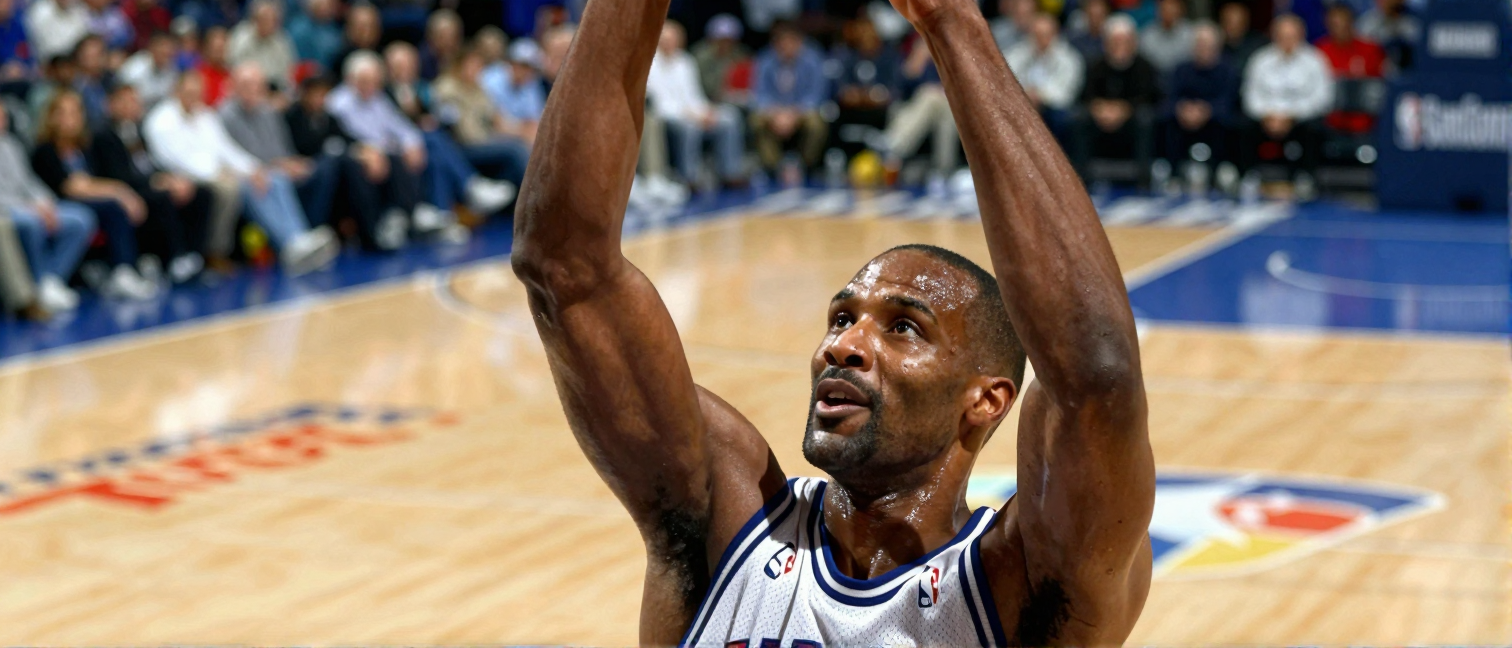
Charles Barkley slammed the NBA’s double‑standard culture on July 10, 2026, declaring that the league’s most disliked figures often walk away with the strongest reputations. The former MVP’s blunt assessment came during a televised interview where he dissected the paradox of fame versus character in professional basketball.
What did Barkley say?
Barkley told host Erik Thompson that “the worst people got the best reputations,” pointing to several high‑profile players whose on‑court talent eclipsed off‑court controversies. He cited recent incidents involving a star guard’s social‑media feud and a veteran’s legal troubles, noting that fans and media still celebrate them. The former All‑Star emphasized that the NBA’s narrative machine rewards drama more than integrity.
Why does this matter now?
The timing is key: the league is in the middle of a heated free‑agency season, and teams are weighing character concerns against on‑court value. Barkley’s comments echo earlier criticisms from former players who warned that glorifying toxic behavior could damage the sport’s image. With the NBA eyeing new global markets, the league’s brand hinges on how it handles these contradictions.
Who else is involved?
Barkley referenced recent comments from former teammate Kevin Johnson, who also warned that “big personalities can mask bad habits.” He mentioned the ongoing investigation into point guard Marcus Lee’s alleged misconduct, a case that has dominated headlines for weeks. Both Barkley and Johnson stressed that owners and coaches must look beyond hype when making roster decisions.
What’s the reaction?
Fans took to social media instantly, with #BarkleyTruth trending on Twitter. Some praised his honesty, while others accused him of “playing the victim.” Analysts at ESPN noted that Barkley’s remarks could pressure teams to include character clauses in contracts. The NBA Players Association released a statement defending players’ right to privacy, but acknowledged the need for “greater accountability.”
What could change?
If the league embraces Barkley’s warning, we might see stricter vetting processes during the draft and free agency. Teams could start using third‑party background checks, similar to those in the NFL. Meanwhile, sponsors may demand clearer conduct standards, potentially reshaping endorsement deals for high‑profile athletes.
How does this fit Barkley’s legacy?
Barkley has never shied away from controversy, from his 1990s “I’m not a role model” stance to recent political commentary. This latest outburst adds another chapter to his reputation as a candid, sometimes polarizing, voice in basketball culture. Whether fans love or loathe him, his willingness to call out the NBA’s contradictions keeps the conversation alive.